
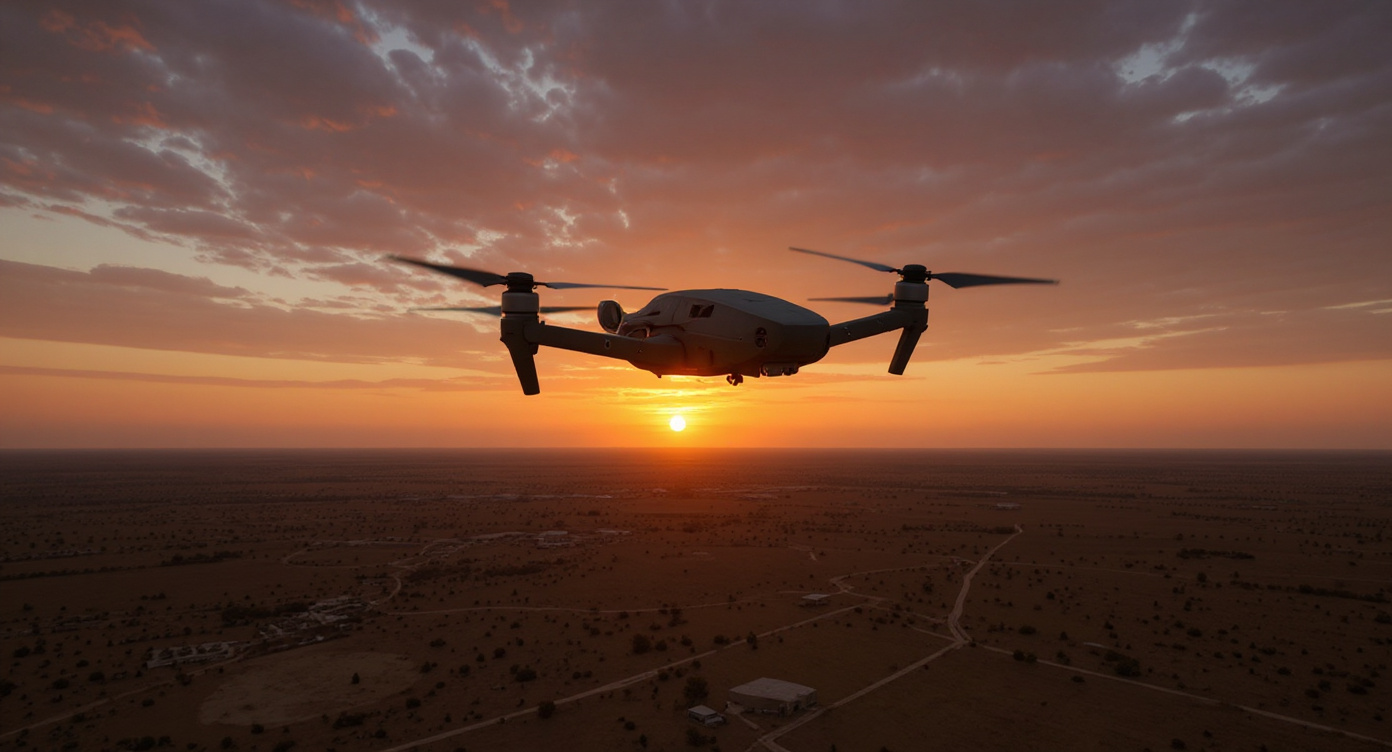
Hussein Al-Alawi was a senior ISIS leader operating in northwestern Syria. On June 24, U.S. Central Command announced he no longer is.
The strike happened after President Trump's large-scale troop withdrawal from the region — the same withdrawal that every foreign policy "expert" in Washington swore would hand Syria back to the terrorists.
Admiral Brad Cooper, Commander of U.S. Central Command, confirmed the operation and made the mission clear. "CENTCOM and its partners remain committed to defeating the last remnants of ISIS and to guaranteeing its demise," Cooper said.
The full CENTCOM statement went further: "The attack is part of our continued efforts to disrupt terrorist activities and to target those who seek to plan attacks on the United States of America and its interests both domestically and internationally."
Fewer boots on the ground. Same precision. Same results. That's the part the establishment never wanted to test, because it undermines the entire argument for permanent military presence everywhere.
For over a decade, Syria was the poster child for Washington's forever-war model. A 14-year conflict that began in 2011, fueled by a CIA-backed proxy war, with no clear endgame and no exit strategy anyone in the Beltway wanted to discuss. The argument was always the same: if we leave, the terrorists win.
We left. A terrorist lost.
The foreign policy class spent years insisting that withdrawal equaled surrender — that pulling troops meant ceding ground to ISIS, to Iran, to whoever the boogeyman of the week happened to be. What they really meant was that withdrawal threatened the consulting contracts, the defense budgets, and the think-tank funding that depends on American soldiers staying deployed indefinitely.
Syria itself remains a cautionary tale about what decades of intervention actually produce. Over 90 percent of Syrians live below the poverty line. Attracting foreign investment and restoring normal banking ties have "proven slower and more difficult than many officials had hoped." President Sharaa's government inherited the ruins of a country that the international community spent years fighting over and nobody spent a dollar rebuilding.
The counterargument from withdrawal critics has always been that a lighter footprint means less intelligence, slower response times, and missed targets. The Al-Alawi strike answers that directly. CENTCOM identified a senior leader, executed the operation in northwestern Syria, and confirmed the kill — all without the massive ground presence the Pentagon brass used to call essential.
This is the model Trump promised. Counterterrorism without nation-building. Precision strikes without permanent occupation. The ability to project force without projecting an entire military bureaucracy into a country that didn't ask for one.
Fourteen years, thousands of troops rotated through, a proxy war nobody voted for, and over 90 percent of the population in poverty. That was the old model's legacy. The new one just took out a senior ISIS leader with a fraction of the footprint.