On October 9, President Trump's legal team filed a petition with the United States Supreme Court to revive his civil RICO lawsuit against Hillary Clinton, former FBI Director James Comey, and more than two dozen other defendants over the manufactured Russia-collusion narrative that consumed his entire first term. The case is called Trump v. Clinton. It alleges a coordinated conspiracy to fabricate and spread the claim that the Russian government had compromising material on Donald Trump — a claim built on opposition research funded by Clinton's own campaign.
The lower courts didn't just dismiss it. They sanctioned him almost $1 million for filing it.
That's worth sitting with for a second. A sitting president petitioned the federal courts for accountability over a fabricated intelligence operation targeting his first campaign, and the judiciary's response was to fine him and his attorney, Alina Habba, for daring to bring it up. U.S. District Judge Donald Middlebrooks called the suit a "two-hundred-page political manifesto outlining his grievances against those that have opposed him" before tossing it in September 2022. The 11th Circuit affirmed the dismissal and the sanctions in 2025.
The petition Trump filed last week tells a different story. His attorneys argue the lower courts' treatment represents "a deeply troubling trend of federal courts using sanctions and disciplinary threats to punish the president and his lawyers." The filing warns: "Treating contested advocacy as misconduct corrodes our legal culture."
That's not a grievance. That's a legal argument with teeth — one that asks whether federal courts can weaponize sanctions to shut down politically uncomfortable lawsuits before the facts ever see a courtroom.
The original complaint, filed in a Florida federal court in March 2022, named Clinton, the Democratic National Committee, former British spy Christopher Steele, Comey, and others. At the center of it all sat the Steele dossier — the document alleging salacious activity at a Moscow hotel, sourced in part from Igor Danchenko, a U.S.-based researcher who was himself investigated for possible ties to Russian intelligence. The dossier was funded by Clinton's campaign apparatus, handed to the FBI, and used to justify surveillance of Trump associates during and after the 2016 election.
Robert Mueller spent two years and tens of millions of dollars investigating the collusion claim. His 2019 report found no evidence of conspiracy between the Trump campaign and Russia. John Durham's subsequent investigation, which concluded in 2023, went further — documenting how the FBI failed to verify the dossier's claims before acting on them and how the Clinton campaign's legal team fed information directly to federal investigators.
The courts that dismissed this case called it "frivolous." The special counsels who investigated the underlying facts found a fabricated intelligence product, unverified sourcing, and a federal law enforcement apparatus that ran with it anyway.
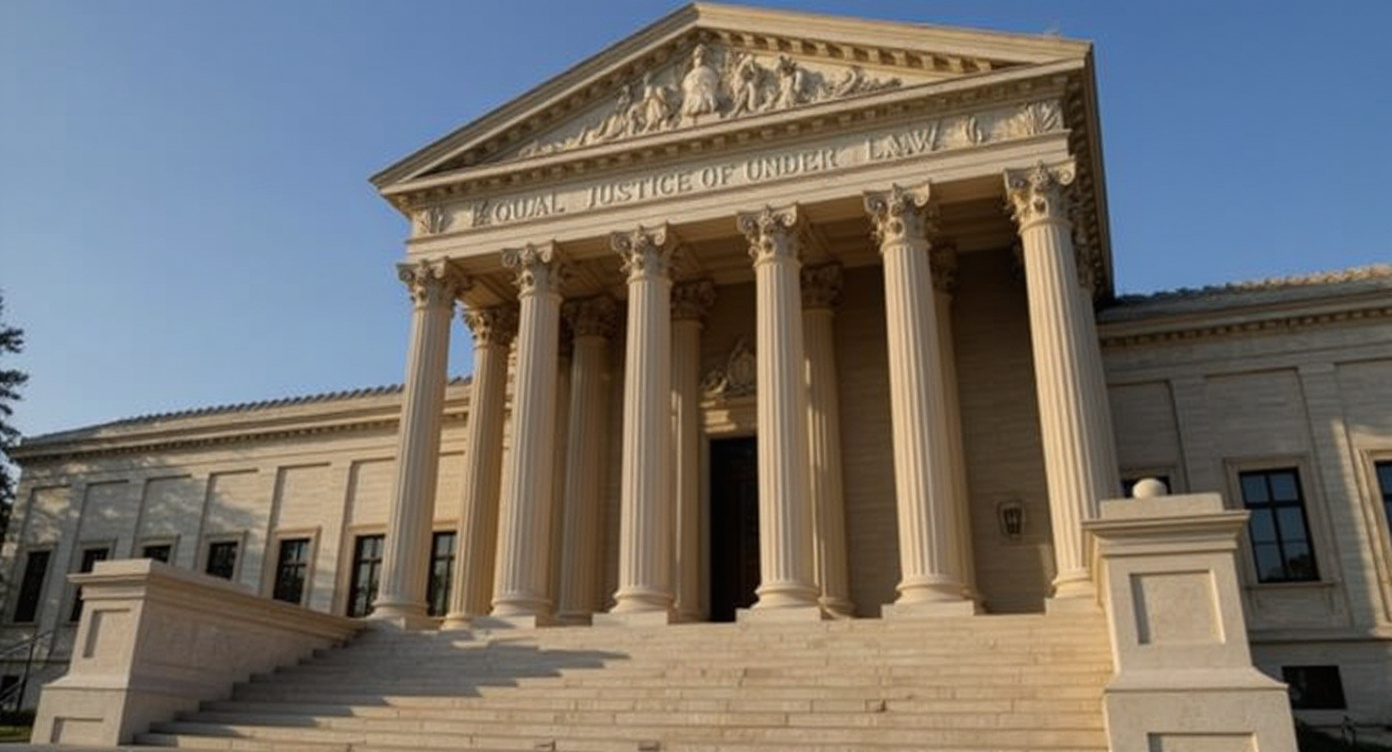
Justice Clarence Thomas granted Trump two extensions over the summer to file the petition, ultimately setting an October 9 deadline that Trump's team met. The justices have not yet decided whether to hear the case.
Hillary Clinton's campaign paid for research that alleged the sitting president was a Russian asset. The FBI used that research to open investigations. The man it targeted spent four years governing under that cloud, won a second term by defeating Kamala Harris in 2024, and is now asking the Supreme Court whether he's allowed to sue over it.
The lower courts said the question itself was frivolous. Nine justices will decide if they agree.