
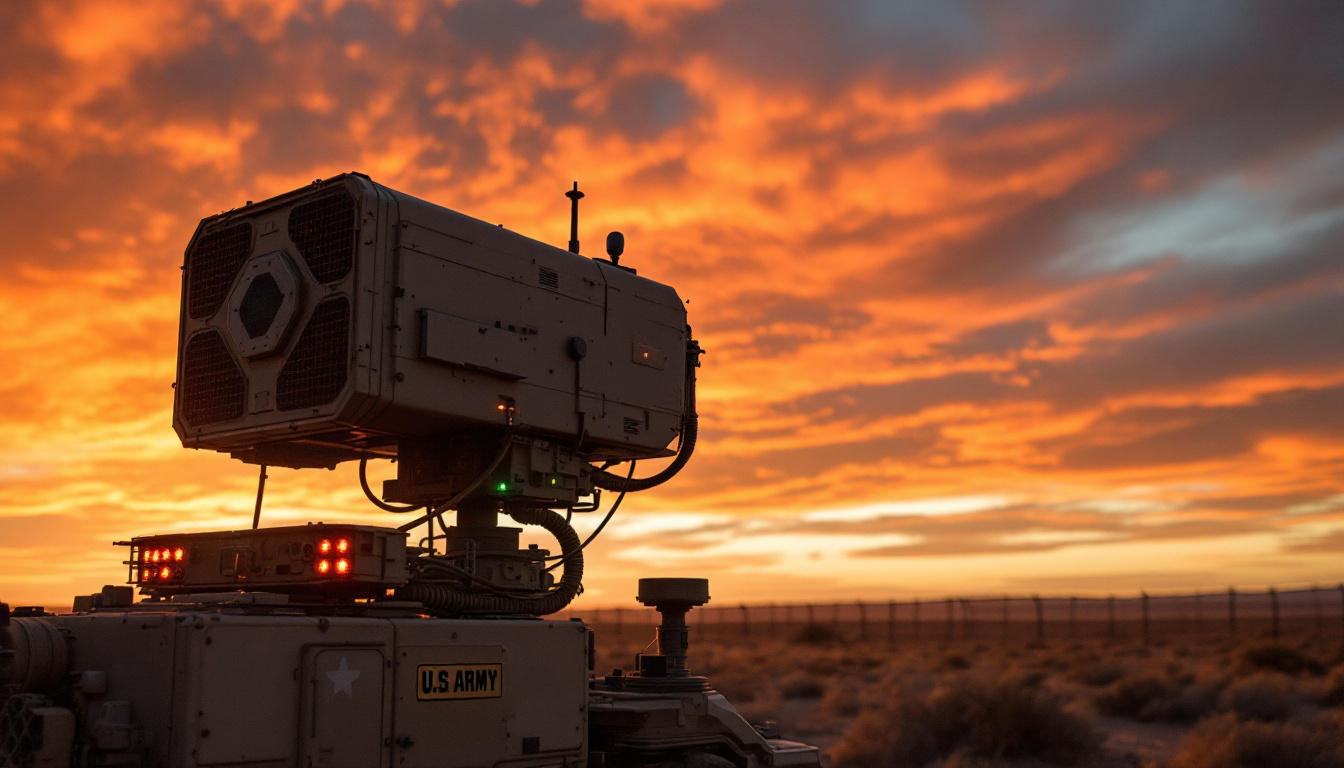
The U.S. Army pointed a directed-energy laser at three cartel drones flying near the southern border this week and turned them into very expensive confetti. No debris field. No collateral damage. Just three hostile unmanned aircraft systems that stopped being aircraft systems.
The cartels brought drones to a laser fight.
U.S. Northern Command confirmed its forces "engaged and defeated" the drones in coordination with Customs and Border Protection and Joint Task Force–Southern Border. The operation marks the first known combat use of the Army's directed-energy laser weapon system along the U.S.-Mexico border, according to United Voice, which reported the story on September 3, 2026.
This didn't come out of nowhere. Back in April, the FAA and Department of Defense reached an agreement specifically permitting the use of laser systems along the southern border. That agreement exists because the cartel drone problem had gotten so far out of control that El Paso airspace was being shut down to deal with incursions. Commercial flights rerouted because Mexican drug cartels were flying surveillance and smuggling drones into American airspace like they owned it.
The Center for Strategic and International Studies documented approximately 1,000 drone incursions per month along the border in 2024. A thousand. Every month. That's not a nuisance. That's an aerial invasion conducted by narco-terrorist organizations running reconnaissance on our border agents and ferrying fentanyl over the line.
The laser system changes the math entirely. Traditional countermeasures — signal jamming, physical interception — create problems of their own. Jam a drone and it crashes wherever gravity takes it. Shoot it down and you've got debris raining on border communities. A directed-energy weapon disables the aircraft cleanly. No wreckage. No stray ordnance. No FAA nightmare.
The "civil liberties" crowd will find a way to be upset about this. They always do. Except the drones in question weren't operated by hobbyists or Amazon delivery drivers. They were cartel assets conducting operations against U.S. military and CBP personnel on American soil. Treating that as anything other than a hostile act requiring a military response is the kind of thinking that gave us 1,000 incursions a month in the first place.
For years the border conversation was about walls, agents, and policy. Nobody was talking about the fact that cartels had built an air force. They adapted drone technology — some of it reportedly informed by tactics coming out of the Ukraine conflict — to surveil patrol routes, deliver narcotics, and probe for weaknesses in our border defenses. They turned cheap commercial technology into a strategic tool.
Now we have a strategic answer.
Three drones down. No American personnel injured. No property damaged. A weapons system that works exactly as designed, deployed under a legal framework negotiated months in advance. That's not cowboy stuff. That's competence.