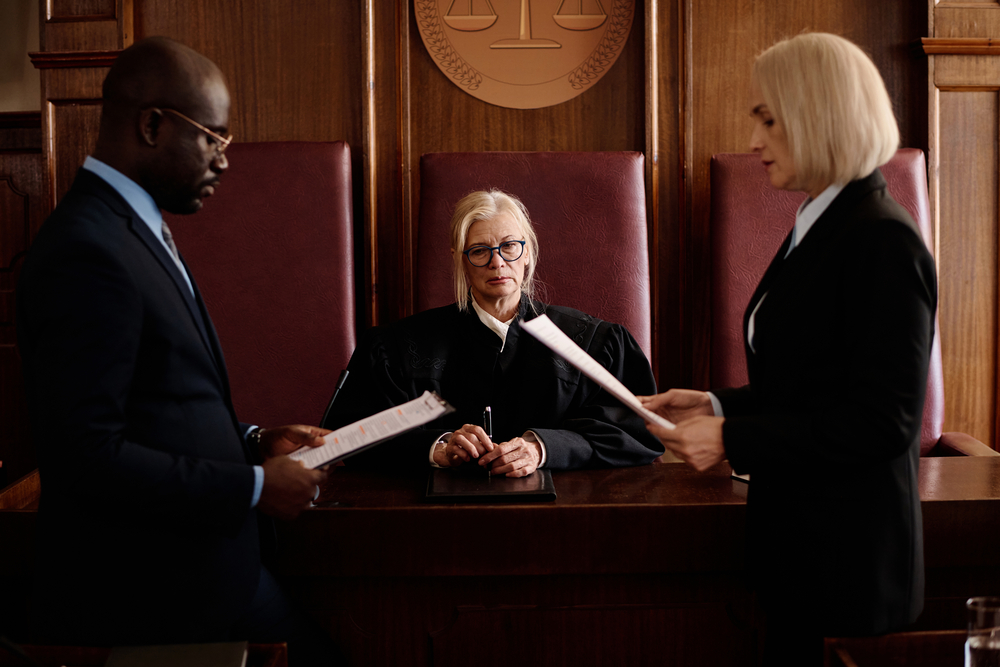
U.S. District Judge Indira Talwani had issued not one but two injunctions blocking the Trump administration's mail-in ballot restrictions. On August 26th, she lifted them both. The reason was straightforward: the Supreme Court had already spoken, and even a Massachusetts federal judge appointed by Barack Obama has to follow that.
The first mail-out date is September 4th. North Carolina and Delaware go first.
The Supreme Court's decision in Trump v. California, handed down August 24th, struck down a separate block on the administration's mail-in ballot executive order. That ruling didn't just affect one case — it blew the legal foundation out from under every lower-court injunction built on the same arguments. Judge Talwani acknowledged as much in her own order, writing that "in light of the Supreme Court's decision in Trump v. California, Plaintiff Organizations are not likely to prevail as to ripeness without amending their complaint to reflect the fact that a Final Rule has now issued."
Translation: your lawsuit doesn't work anymore.
The new USPS rules require unique logos and barcodes with embedded ZIP codes on ballot mail, voter and ballot tracking information submitted through a federal portal before entering the mailstream, and verification through DHS and the SSA to confirm legal voter status. The rules apply nationally and take effect ahead of the November midterms.
The lawsuit Talwani had been presiding over was brought by the League of Women Voters of Massachusetts and other voting-rights groups. A separate challenge, filed by Washington Attorney General Nick Brown and Washington Secretary of State Steve Hobbs — both Democrats — drew 25 additional Democratic-led states into the fight. Their complaint argued that the rule "inflicts significant, imminent, and irreparable harm on Plaintiff States by imposing new and burdensome mail voting requirements, enforced by USPS interception of non-conforming ballot mail, and doing so mere months before a nationwide election."
"Burdensome" is doing a lot of work in that sentence. The requirements amount to: put a barcode on the envelope, register the ballot in a tracking portal, and verify the voter is a legal citizen. If confirming that a voter exists and is eligible to vote counts as an unbearable burden, that tells you more about how the old system worked than about how the new one does.
Twenty-six states, a coalition of advocacy groups, and two separate federal injunctions — and the rules go into effect anyway, three months before Election Day. The system that's supposed to make voting easier apparently can't handle being asked to verify who's voting.