
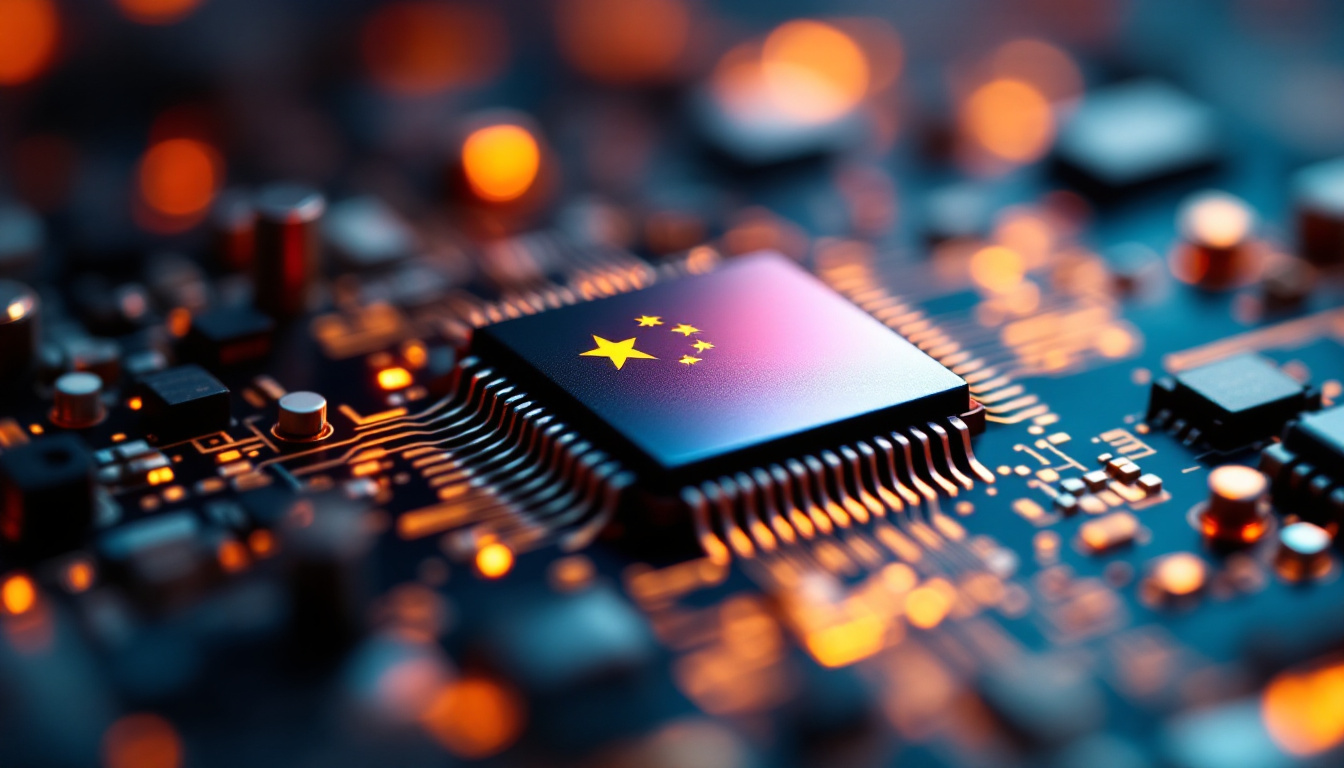
The chip inside the dashboard camera was manufactured by a company called HiSilicon. HiSilicon is a subsidiary of Huawei. And HiSilicon's own marketing materials advertise the chip as "designed for the surveillance market" with "built-in detection algorithms for human faces."
That chip was about to ship inside a consumer product aimed at American drivers.
The FCC's Office of Engineering and Technology blocked two devices — a dashboard camera and a wireless video transmitter — from being marketed or sold in the United States after discovering both contained HiSilicon components. The action, announced October 22, marks the first enforcement under new Covered List component rules that took effect October 13, 2026. Those rules prohibit equipment authorization for any device incorporating logic-bearing components from entities the FCC has designated as national security threats — even when the company assembling the final product isn't on the list itself.
FCC Chairman Brendan Carr called video devices carrying such chips "an obvious and unacceptable risk to the nation and our people." He added that the agency "will continue to act with vigilance in protecting and promoting America's national security" and will "act aggressively to enforce rules and secure American networks."
The distinction matters. Huawei has been on the FCC's Covered List since March 12, 2021. Everyone knows that. But the old rules only blocked devices made by Huawei directly. A third-party manufacturer could buy Huawei subsidiary chips, build them into a dash cam or video transmitter, slap a different brand name on it, and apply for FCC authorization with a clean conscience. The chip inside didn't trigger the ban. Only the name on the box did.
The Third Report and Order, adopted July 22, 2026, closed that loophole. Now the component itself is the trigger. If the silicon inside your product was made by a Covered List entity or any of its subsidiaries and affiliates, the finished device is ineligible — full stop.
Which raises an uncomfortable question about how many devices slipped through before October 13.
Here's the compliance nightmare the Wiley law firm flagged in its analysis of the new rule: no authoritative, centralized list exists identifying all entities that manufacture prohibited components. Huawei filed a subsidiary list with the FCC in 2023. It never updated it. That filing didn't even name HiSilicon — the very subsidiary whose chips the FCC just caught in two consumer products headed for American shelves.
So a manufacturer doing honest supply chain diligence — checking Huawei's own FCC filing to see which component makers to avoid — would have found no mention of the company whose surveillance chip was sitting on their circuit board.
The defense from companies caught using these components will inevitably be that they didn't know. The chip was sourced through a supplier, the supplier sourced it from a distributor, and nobody asked where the silicon was fabbed. That's not an excuse. That's the problem. American supply chains have been treating component sourcing like a game of telephone for years, and the result is facial-recognition surveillance hardware from a Huawei subsidiary winding up inside cameras pointed at American roads.
Chairman Carr's language — "act aggressively" — suggests the FCC understands this first enforcement action is a proof of concept, not a finale. The Covered List component rules apply to every device seeking FCC authorization going forward. The agency has signaled it intends to scrutinize what's inside the box, not just the label on it.
Two devices were caught. The rules have been in effect for twenty days. Huawei's own subsidiary filing is incomplete. The chip advertises facial recognition as a feature.
Twenty days, two catches, and a list that doesn't list the companies it's supposed to list.