
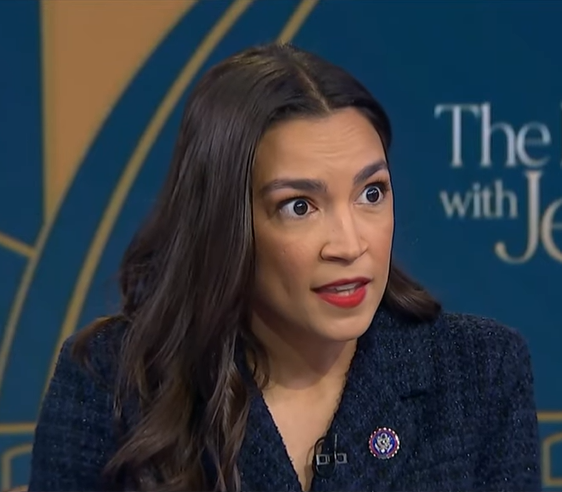
In the July 2026 New Hampshire poll, Rep. Alexandria Ocasio-Cortez jumped from 8% last October to 22%, nearly tripling her support in nine months. Former Transportation Secretary Pete Buttigieg, who led the same survey at 19% back then, barely moved — up to 21%. The socialist wing of the Democratic Party isn't just gaining ground. It's about to lap the moderates.
And the first primary is still a year and a half away.
A Harvard-Harris mid-July poll showed former Vice President Kamala Harris at 37%, Gov. Gavin Newsom at 24%, Buttigieg at 10%, and AOC at 9%. But an Atlas Intel survey from mid-May had AOC on top. An Emerson College poll put Buttigieg first, Newsom second, AOC third, and Harris trailing.
Three different polls. Three different frontrunners. The only constant is that the democratic socialist faction keeps climbing.
The evidence isn't just in polling. In New York City, democratic socialists knocked off two senior House Democrats who were considered moderates in their primaries — Rep. Adriano Espaillat, the Congressional Hispanic Caucus chair, and Rep. Dan Goldman. Socialist candidates also secured Democratic nominations for Colorado House races. NYC Mayor Zohran Mamdani, a proud democratic socialist, is now one of the most visible elected Democrats in America's largest city.
Sen. John Fetterman of Pennsylvania offered the party's moderates the closest thing to a rallying cry they've managed so far. His advice to fellow Democrats: "Don't be weirdo socialists and don't praise Mao and do crazy shit." That's the centrist message. That's the best they've got — please stop praising Mao.
In Maine, uber-progressive candidate Graham Platner rattled the establishment by challenging Gov. Janet Mills and state Senate President Troy Jackson, both considered moderates. Sen. Elizabeth Warren and Sen. Bernie Sanders continue to shape the party's policy direction from the left. Senate Majority Leader Chuck Schumer, meanwhile, has watched his caucus fracture without offering a coherent counter-strategy.
The progressive wave has moderate Democrats worried. And "worried" might be underselling it. The party's establishment lane is crowded with candidates who can't break away from each other — Harris, Newsom, Buttigieg all splitting the same vote — while AOC consolidates the activist base that actually shows up to primaries.
This is the structural problem nobody in the DNC wants to say out loud. Moderates need four candidates to combine for 71% in a Harvard-Harris poll. The socialist wing needs one candidate to hit 22% in New Hampshire and win actual primary elections in New York. One side has enthusiasm. The other has name recognition and a spreadsheet.
When your party's most quotable message discipline is "please stop praising Mao," the internal argument is already over. The only question left is whether the rest of the party figures that out before or after Iowa.