
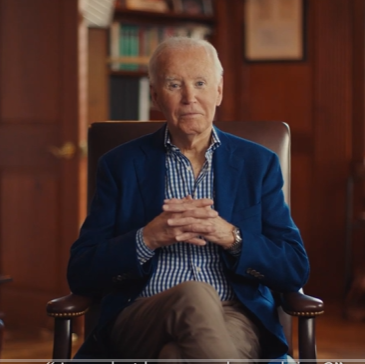
Approximately 70 hours of recorded conversations between former President Joe Biden and his ghostwriter Mark Zwonitzer — recorded at Biden's Delaware home during 2016 and 2017 sessions for the memoir "Promise Me, Dad" — will be released to the public after Biden's legal team filed a voluntary dismissal of his lawsuit to keep them buried.
He sued the Justice Department in May 2026 to stop it. He lost. And now he's quit fighting.
The recordings are the same ones that became central to Special Counsel Robert Hur's classified documents investigation. Hur's report described Biden reading classified notes to Zwonitzer "nearly verbatim" during their memoir sessions. That detail alone was enough to make the tapes a political flashpoint — and enough to make Biden's lawyers scramble to keep the audio from ever reaching the public.
The Heritage Foundation had filed a Freedom of Information Act suit in Washington federal court to force the release. Biden fought it. On July 21, the D.C. Circuit panel ruled 2-1 against him, with Chief Judge Sri Srinivasan and Judge Gregory Katsas in the majority. Judge Florence Pan, a Biden appointee, dissented. The appellate stay lifts on August 3, meaning the audio could be public within days.
Biden spokesperson TJ Ducklo issued a statement saying the former president "disagrees" with the ruling but "respects the courts and the vital role an independent judiciary plays." A gracious concession from a man who spent months and taxpayer-funded legal resources trying to prevent the courts from doing exactly that.
Rep. Jim Jordan, R-Ohio, the House Judiciary Committee chair, had been pushing for the release of these recordings for over a year. The content Biden wanted suppressed wasn't limited to the classified material — redactions had also been applied to references to Biden's family and what were described as "sensitive personal topics." The full scope of what's on those tapes remains unknown until August 3.
Think about the sequence. Biden sat for 70 hours of recorded interviews. During those sessions, according to the special counsel's own findings, he read classified notes aloud to a ghostwriter who had no security clearance. When that became public, Biden didn't apologize or explain — he sued to make sure nobody could hear it for themselves.